Editorial + Minimal
Slice Signal Editorial
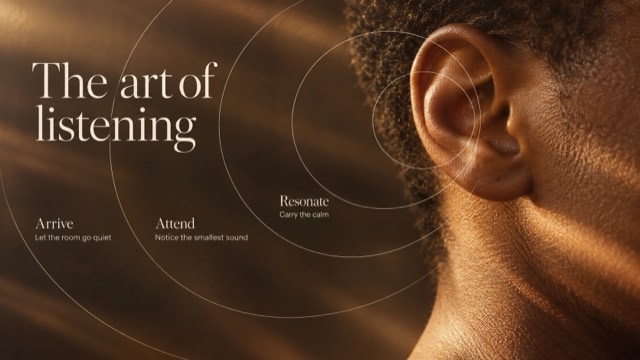
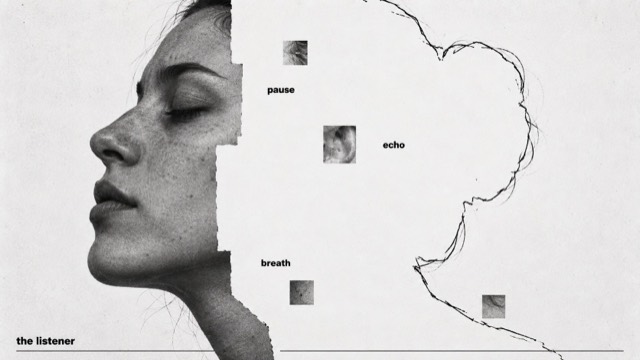
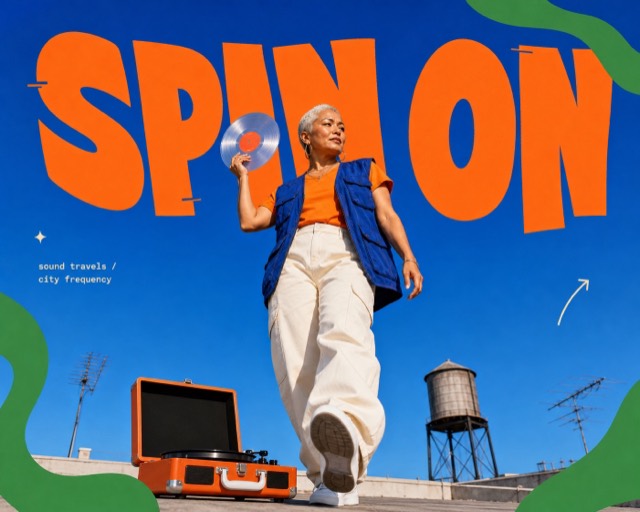
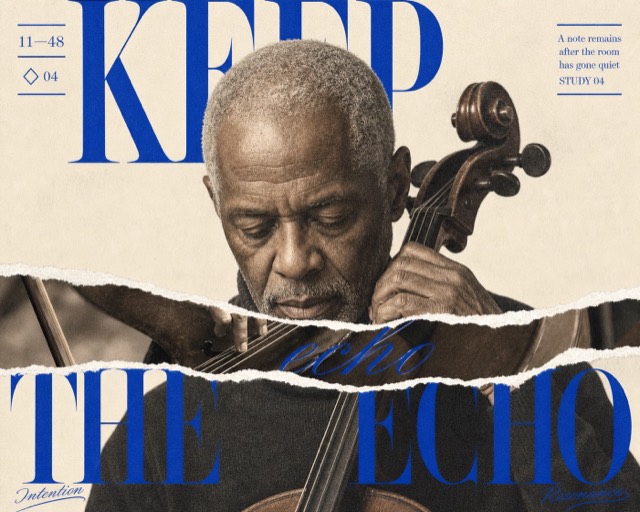
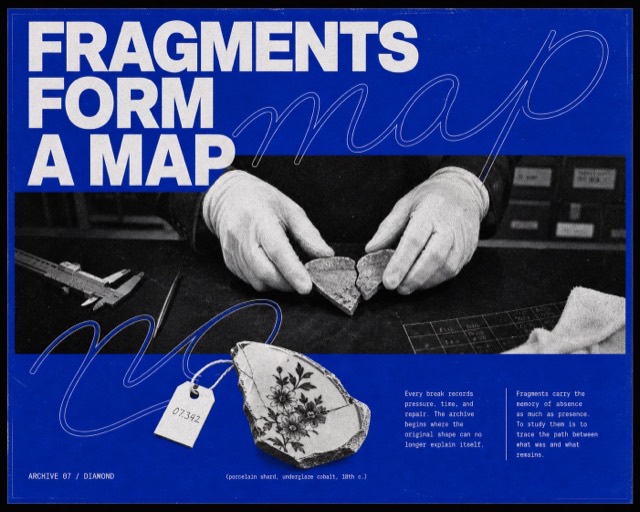
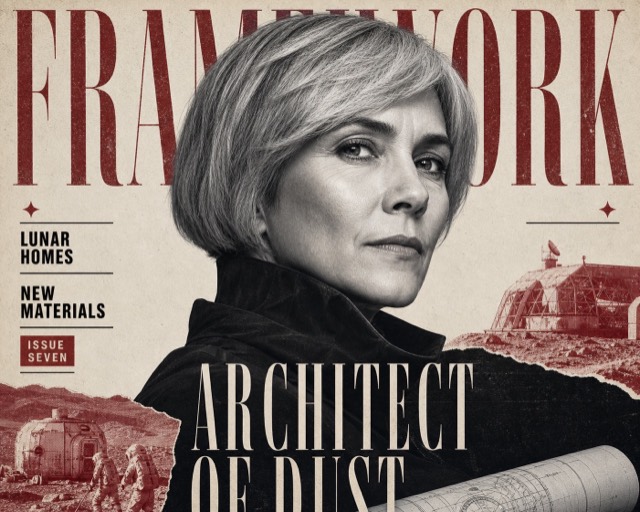
Restrained, sharp experimental editorial posters built from oversized condensed headlines, black-white-and-scarlet blocks, and photographic subjects interrupted by vertical slices.
Images are AI-generated with this style's prompt. Your results will vary by model and the details you enter.
Build your prompt
Fill in the details below, or leave them blank and the AI will choose what fits the style. Prompts stay in English because image models understand it best; the text you want shown on the image can be in any language.
Gemini and some tools cannot take a prompt from a link, so press Copy prompt first, then paste.
Full style rules
Style anchors
- [CORE] Oversized uppercase condensed grotesk display type is a primary structural element, with forceful narrow proportions and strong contrast against quieter fields; keep at least one complete phrase readable.
- [CORE] Treat a realistic photographic person, object, or scene with narrow vertical shutter-like slices that selectively shift, stretch, repeat, or interrupt image bands while leaving the subject recognizable.
- [CORE] Build a stark palette from near-black, cool off-white, and one decisive signal-red accent; vary their proportions while keeping the overall contrast sharp.
- [CORE] Use hard rectangular fields, abrupt horizontal cuts, and fine divider lines to organize the image like a tightly edited print poster.
- [CORE] Pair the giant display title with a restrained secondary line in small clean sans-serif or slim italic lettering; it remains subordinate and intentional.
- [CORE] Keep type fields crisp and graphic while any scan-like grain or softness stays subtle and localized to the photographic image.
- [FLEX] Let each case decide the crop, band lengths, offset rhythm, title placement, and whether the red accent interrupts, frames, or redirects the subject.
- [FLEX] Recompose portrait and landscape independently; change the type-image balance and negative space to serve the same case concept in each ratio.
Do
- Use large typographic scale changes, abrupt cuts, and restrained negative space.
- Allow selected image bands to shift or stretch in a controlled, intentional rhythm.
- Use the subject's action or state to shape the slicing pattern and red interruption.
Avoid
- Reconstructing the reference's exact title, footer, portrait position, or red lower block.
- Unreadable letterforms, accidental extra text, fake brand marks, or decorative logo-like symbols.
- Random digital corruption, full-frame pixel noise, heavy distress, or slicing so dense that the subject disappears.
Negative prompt
No source wording, copied poster layout, source-person identity, gossip scene, logos, brand names, watermarks, extra text, misspelled headline, pseudo-lettering, QR codes, UI, random glitch blocks, full-frame pixel noise, heavy grunge, sepia aging, unreadable face, or dense slices that erase the subject.